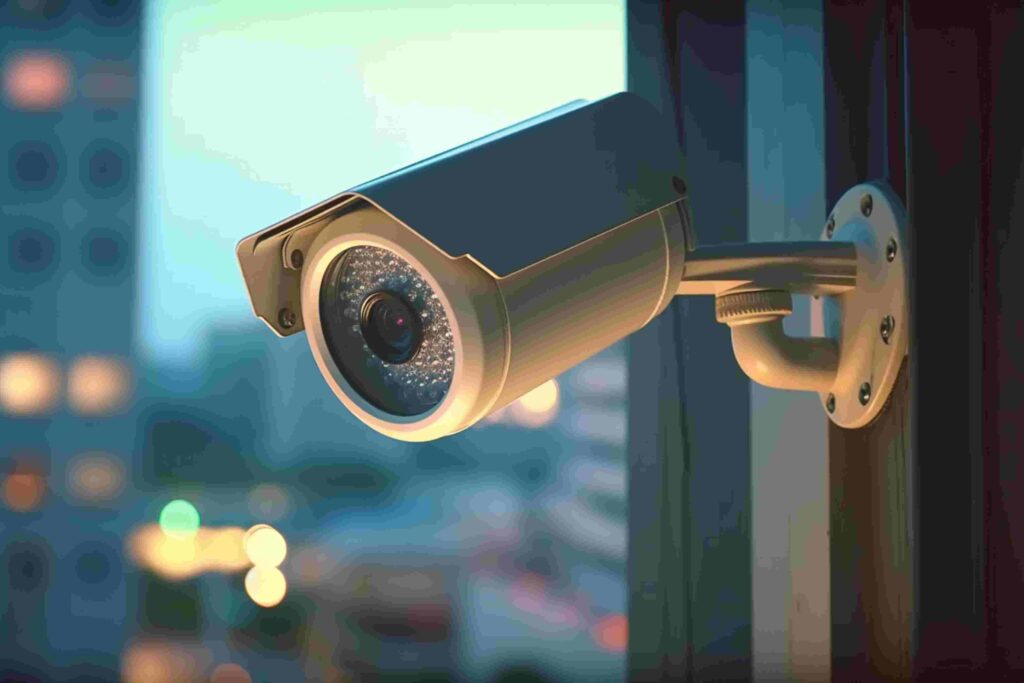
Is Your Boss Watching? Hidden Cameras and UAE Law

Introduction

Surveillance cameras are now ubiquitous across public and commercial spaces in the UAE, enhancing safety and security. Yet, the line between legitimate monitoring and privacy intrusion can easily blur—especially when it comes to hidden or covert cameras.

The question of whether “your boss is watching” isn’t just about curiosity; it touches upon fundamental privacy rights and strict legal boundaries. Under UAE law, this issue is taken very seriously. Article 378 of the UAE Penal Code (Federal Law No. 31 of 2021) explicitly criminalizes recording, transmitting, or disclosing conversations or visual material without the consent of the individuals involved. Violations can lead to imprisonment and fines, underscoring the severe consequences of unauthorized covert surveillance.

The Allure of Covert Surveillance (and Its Legal Peril)

For some employers, hidden cameras can seem like an appealing tool for addressing specific security challenges:

  • Investigating Suspected Misconduct:Covert cameras are sometimes considered for detecting internal theft, fraud, or sabotage when visible cameras might deter the activity.
  • Protecting High-Value Assets:In certain high-security areas—such as safes, server rooms, or data centers—a discreet camera may seem justified to prevent tampering.

However, the legal risks in the UAE are substantial:

  • Strict Consent Requirements:Under Article 378, covert recording without consent is generally illegal. Employers cannot secretly film employees in ordinary workspaces.
  • Expectation of Privacy:Hidden cameras are never permissible in areas where individuals have a reasonable expectation of privacy—such as restrooms, changing rooms, or private offices—unless specifically authorized by a court for serious criminal investigations.
  • Public vs. Private Space:While visible CCTV in public areas like streets or malls is regulated and accepted, private workplaces are governed by stricter privacy standards regarding covert recording.

How to Detect Hidden Cameras

While not foolproof, these simple checks can help identify common hidden camera placements:

  • Visual Scan:Look for small pinhole lenses in unusual spots—such as smoke detectors, clocks, power adapters, or decorative items.
  • Check for Wires:Older covert cameras may have cables leading to a power source or recording device.
  • Use a Flashlight:Shine a light around the room; camera lenses often reflect a faint blue or purple glint.
  • Look for IR Lights:Many night vision cameras emit infrared light. In a dark room, view the area through your phone’s camera to spot tiny, flickering purple or white dots.
  • Scan Wi-Fi Networks:Apps like Fing or Wi-Fi Analyzer can sometimes detect unusual or unfamiliar devices connected to the network.

Legal and Ethical Guidelines for Employers in the UAE

If you are an employer considering surveillance, seek legal counsel first. UAE law prioritizes privacy and dignity, and unauthorized monitoring can result in criminal liability.

Best practices include:

  • Transparency First:Use visible cameras and display clear signage informing employees and visitors that surveillance is in operation.
  • Clear Policies:Maintain a written and communicated policy outlining the purpose, scope, and retention period of recorded footage.
  • Specific Justification:Covert surveillance should only be considered in cases of serious suspected criminal activity and, where necessary, with proper legal authorization.
  • Limit Scope:Restrict surveillance to what is strictly necessary for legitimate security purposes.
  • Data Security:Ensure video footage is securely stored and accessible only to authorized personnel, in line with UAE data protection laws.

Conclusion

Hidden cameras in the workplace raise complex questions about security, privacy, and trust. In the UAE, the law is clear—unauthorized recording without consent is a serious offense. While businesses have legitimate security needs, these must always be balanced against individual privacy rights.

For individuals, understanding how to spot potential surveillance offers peace of mind. For employers, compliance means more than following best practices—it’s a legal obligation. Prioritizing transparency, legal advice, and ethical conduct helps avoid penalties and maintain a culture of trust and accountability.


Leave A Comment

Your email address will not be published. Required fields are marked *

Our Services

About US

Head Office
Dar al salam, 2 nd floor, Office no - 40, Freej Al Qbeesat St, AL ,9, DANAH, Abu Dhabi 22204
Dubai Office
Garhoud Star Building, 112 Metro Station, near GGICO , Al Garhoud, Dubai, United Arab Emirates
Contact with us
Email : info@sostechnology.net
Phone: ‪+971 50 435 5002‬
Whatsapp: ‪+971 50 435 5002‬
Working time
Mon - Fri: 8.30am - 17.30pm
Sat : 8.30am - 14.30pm
Sunday : Holiday